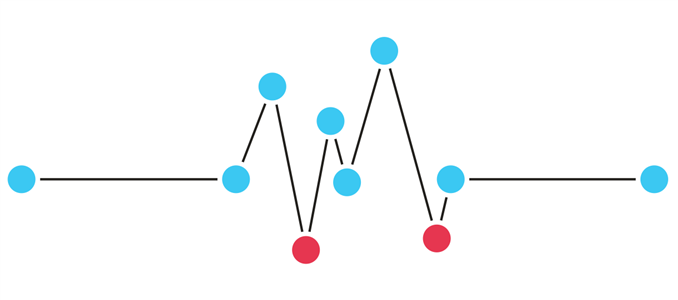
During a typical month we generate between 500,000 to 600,000 HeartBeat calls, and of these anywhere from 4% to 6% of these calls we encounter availability or performance issue. So, we classified these issues to see where they were coming from:
- 40% – Issue with answer – busy, ring-no-answer, silence or click
- 40% – Caller-requested information unavailable – host issue
- 20% – Caller disconnected prematurely
So out of 600,000 test calls in a typical month, 12,000 are answered incorrectly, or not at all. Another 12,000 are customers being led on a wild goose chase all the way to the point of finally being able to retrieve the info they need only to find out it wasn’t available. And another 6,000 callers are just getting cut off – they get to start from scratch AGAIN!
How Does This Affect the Agent?
If the technology required to handle & deliver the calls to the agents fails, when your customers finally do get through they have already been preconditioned with a lousy experience, and who will they take it out on?
How is Your Centre Doing?
Here you are a call center manager, working hard to keep your people and your customers and your business units all happy. You’re up-selling and cross-selling while cutting costs & keeping attendance high & training agents to deliver the best possible customer experience, and all the while you don’t know if the technology you’re counting on to take care of your customers & offload your agents is doing its job or not.
With HeartBeat, we generate a test call, one at time around the clock to access your system to ensure they are available and more importantly working as they were intended to do, if not then we send an automated notification to alert everyone involved.