
Skip to content

{jcomments on}

Detecting Phantom Devices on Your NetworkWatch the Video - InfoSim

So you run a network discovery and you notice devices that you are not familiar with. A phantom device is a device that is unmanaged that should be monitored by your Network Management System (NMS)

It seems these devices show up even though you have processes in place to prevent this type of behavior. These could be devices connected to the wrong network, printers, BYOD etc. A phantom device is invisible to you so you are unaware of the device, opening a vulnerability, missing patches, Misconfigurations etc.

How to detect and integrate phantom devices

The first step is to find these devices so you know that they exist and track them. Once you find the device you need to extract device information and understand how they are integrated into your network. The detection process cannot interfere with your daily business; you don’t want to add any unnecessary load to the network and false positives need to be avoided.

Once the phantom devices have been discovered you need to set up a process to incorporate them into your Network Management System (NMS) or remove them from the network

InfoSim SableNet

Has the ability to help you in this process by using the automated discovery engine. This allows you to tag and then reporting on phantom devices. You can then see how they are connected to the network and using SNMP and the NCCM module you can then manage or remove these devices from your Network
 

Related Posts

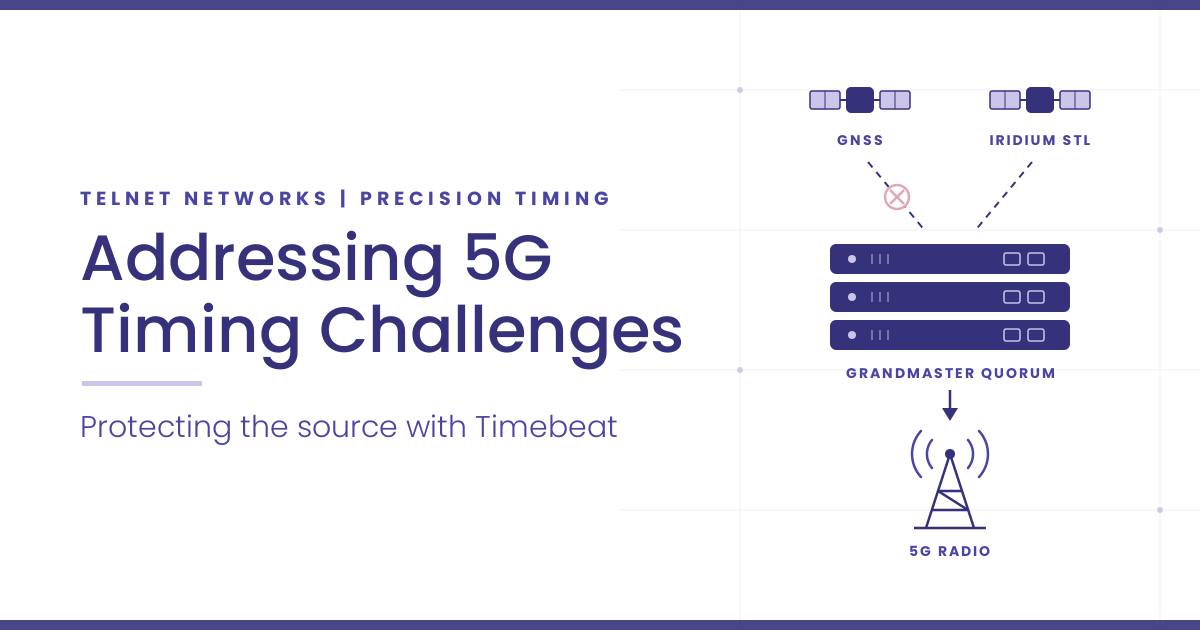
Addressing 5G Timing Challenges with Timebeat: What Canadian Carriers Can Fix at the Source

Addressing 5G Timing Challenges with Timebeat: What Canadian Carriers Can Fix at the Source

Most 5G timing challenges trace back to one rule. Canada’s mid-band 5G, in the 3500 MHz and 3800 MHz bands,…
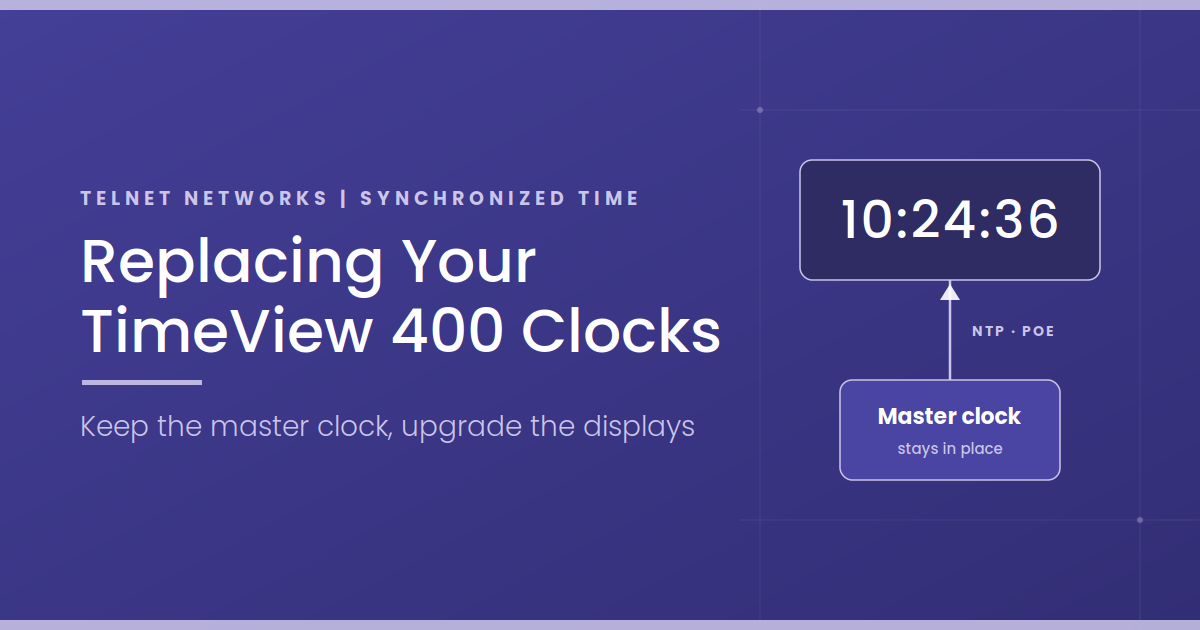
Replacing Your Spectracom TimeView 400 Clocks: Options, Differences and How to Plan the Switch

Replacing Your Spectracom TimeView 400 Clocks: Options, Differences and How to Plan the Switch

Most people start looking into a Spectracom TimeView 400 replacement for one of three reasons: a clock has gone dark,…
Introducing Stamus Networks: Network Security Built For The Bill C-8 Era

Introducing Stamus Networks: Network Security Built For The Bill C-8 Era

The ground shifted in June Bill C-8 received Royal Assent in June. For designated operators in telecommunications, energy, finance, nuclear…
From Vienna to CERN: The European Innovation Behind Modern Network and Timing Infrastructure

From Vienna to CERN: The European Innovation Behind Modern Network and Timing Infrastructure

Sub-nanosecond timing over Ethernet was not born in a product roadmap. It came out of CERN, where physicists needed the…
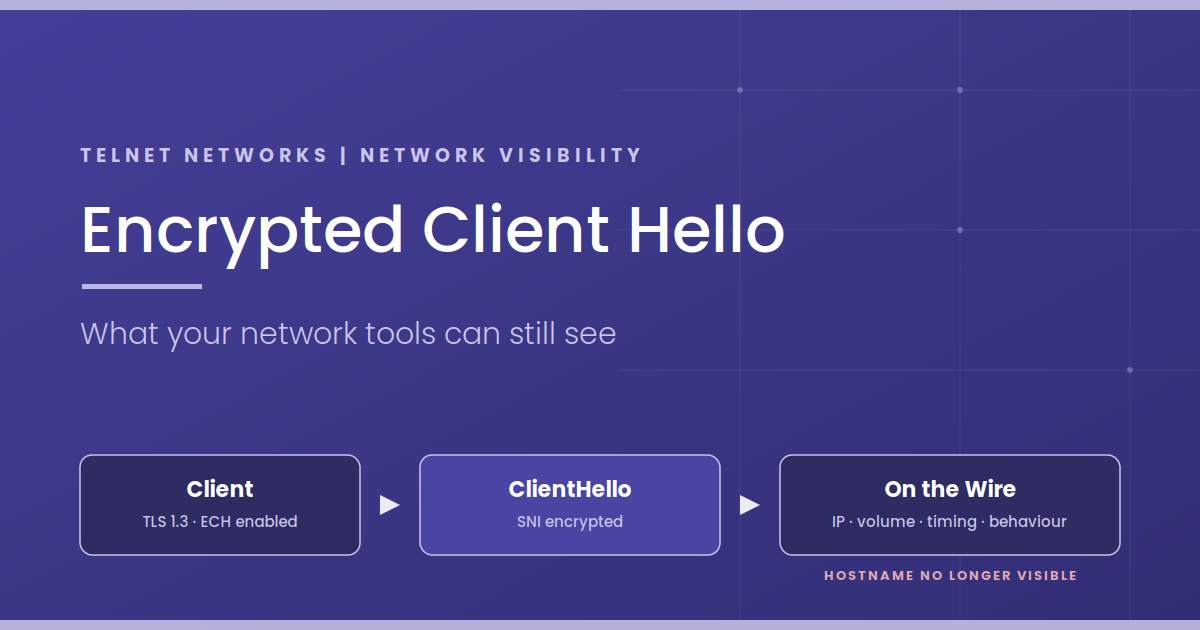
Encrypted Client Hello Is Here. What Can Your Network Tools Still See?

Encrypted Client Hello Is Here. What Can Your Network Tools Still See?

In March 2026 the IETF published RFC 9849, standardizing TLS Encrypted Client Hello. In plain terms, the part of the…