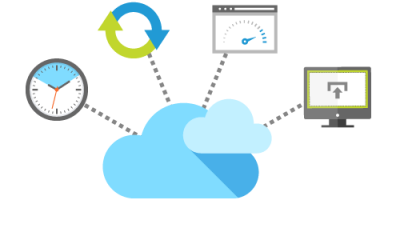
In the technology era that we live in something which cannot be ignored is SaaS network management, in business everything you work off is in some shape of form part of the tech network. This may include printers, phones, routers and even electronic note pads, all of these need to be managed successfully within the business to avoid misfortunes.
While looking at SaaS network management there are always going to be some pros and cons.
The ease of deployment
Because SaaS exists in the cloud, it eradicates the necessity of installing software on a system and ensures that it is configured properly. The management of SaaS is naturally handled through simple interfaces that allows the user to configure and provision the service as required.
As more establishments move their formerly in-house systems into the cloud, incorporating it with these existing services requires limited effort.
Lower costs
SaaS has a differential regarding costs since it usually resides in a shared or multitenant environment where the hardware and software license costs are low compared with the traditional models. Maintenance costs are reduced as well, since the SaaS provider owns the environment and it is split among all customers that use that solution.
Scalability and integration
Usually, SaaS solutions reside in cloud environments that are scalable and have integration with other SaaS offerings. Comparing with the traditional model, users do not have to buy another server or software. They only need to enable a new SaaS offering and, in terms of server capacity planning, the SaaS provider will own that.
Obviously in this world nothing is perfect and there are some slight downsides to SaaS network management. They are very minimal and some of them would not account for everyone, however it’s still necessary to mention them.
Limited applications.
SaaS is gaining in popularity. However, there are still many software applications that don’t offer a hosted platform. You may find it essential to still host certain applications on site, especially if your company relies on multiple software solutions.
Maintenance
Obviously SaaS adoption makes maintenance simpler, because the vendor has more control on the full installation. But the task here might be related to the psychological attitude. For an on premise installation, the customer accepts the responsibility for maintenance and allocates human resources for it. With SaaS the customer tends to this that he or she is released from any of these responsibilities, which is fairly true in most cases but you still should always be keeping an eye on the software no matter what.
Dependence on high speed internet
A high speed internet connection is a must for SaaS, while this is not a big challenge in developed nations, it can be a serious limitation in developing nations with poor infrastructure and unreliable connectivity. Thus firms should choose wisely understanding the connectivity bottleneck.
As you can see the pros outweigh the cons and in business today all organization are looking for a cheaper and faster resources, and it’s obvious that SaaS network management is on of them.

Thanks to NMSaaS for the article.