
- Which clock is used as the reference for all other clocks
- How to transfer the time from the reference clock to all other clocks
The solution is to use a master clock as your reference. Master clock systems are used in a wide variety of applications and industries including aerospace and defence, broadcast, radio and telecom, network systems, financial services, emergency operations, call centers, and healthcare — essentially anywhere reliability of data and signals are paramount.
What is a master clock?
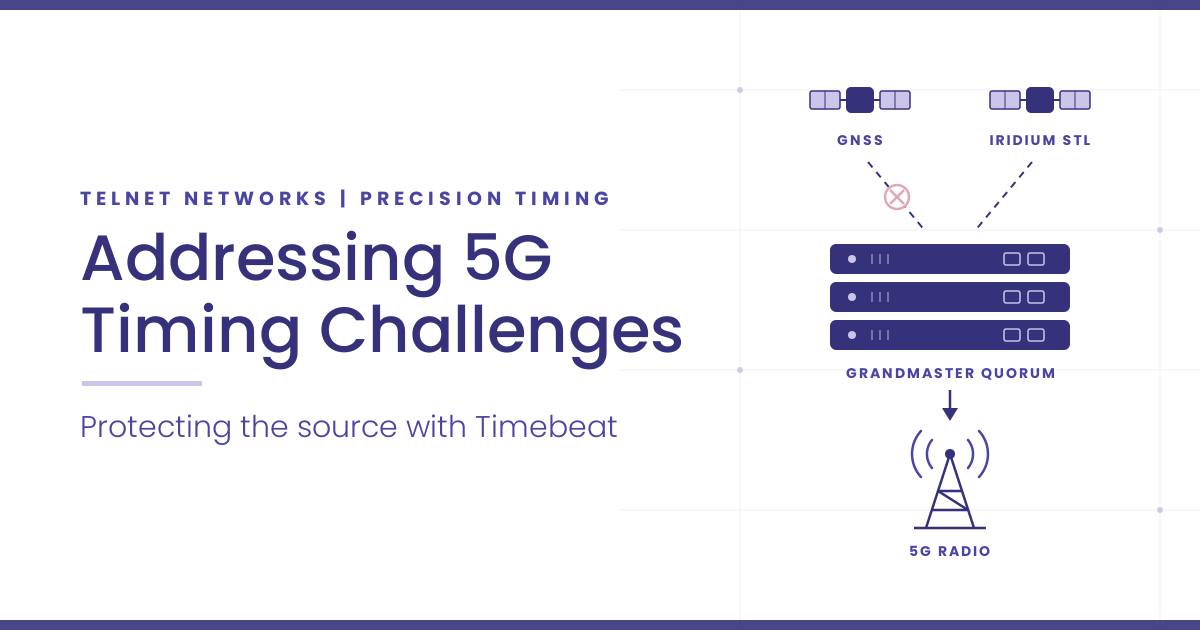
A core feature of all master clock systems is that they accept precise timing reference signals as input. It is a rare case for a master clock to be free-running and not continuously synchronized, or at least compared against an external reference. Orolia’s SecureSync modular time and frequency synchronization system can accept over 14 different signal types to discipline its local clock. This system can then generate a similar number of signal types to synchronize other devices. In case of loss of the external reference (or any redundant references), the local clock maintains timing accuracy using a local clock oscillator until the reference(s) can be restored. Several different clock oscillators are offered depending on the accuracy required during the “hold over” period.
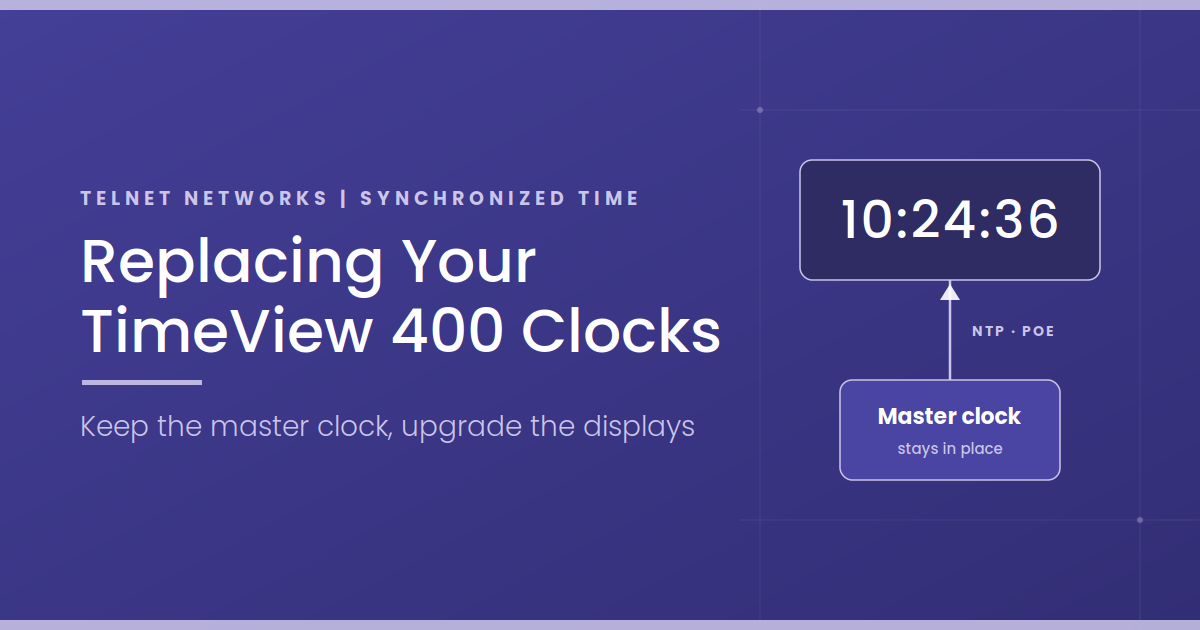
Network master clocks can distribute their timing references over local or wide area networks. Master clocks with wireless transmitters enable synchronization of devices like display clocks without having to run wires between them for the synchronization signal. There are also highly accurate master clock solutions that utilize copper or fibre connections for precise analog and digital signal distribution, such as IRIG timecode signals.
Orolia offers a variety of master clock systems to meet the requirements for your application of accurate time. Learn more about flexible SecureSync Master Clocks