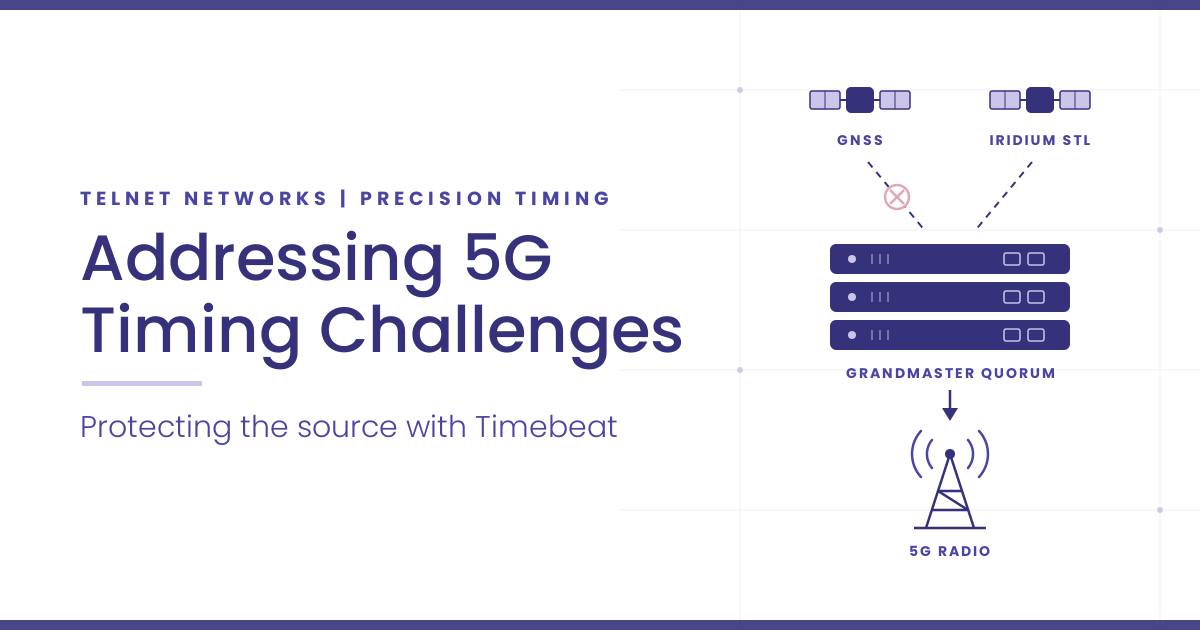

Recent webinars have focused on a variety of proven, resilient technologies to combat GNSS and PNT vulnerabilities in critical infrastructure. In this webinar, we will focus on how PNT monitoring can further protect critical systems from these vulnerabilities through continuous monitoring and improvement.
Similar to cybersecurity for network systems, effective GNSS and PNT protection involves identifying and monitoring weak entry points, knowing where and when an intrusion occurs, and providing data about new threats to help strengthen the system going forward. Its value applies across all critical infrastructure sectors such as telecom, power grids, datacenters, etc.
Protecting critical infrastructure is now a national priority for the US and Allied Countries. Please join us for this informative discussion about GNSS and PNT monitoring.


John Fischer, Vice President, Advanced R&D, Orolia
For more than 15 years, Fischer has been part of Orolia where he works with global navigation satellite systems, wireless, positioning navigation and timing, as well as specialized systems for its customers. Prior to joining Orolia, he specialized in wireless telecom as a founding member of two startups: Aria Wireless in 1990 and Clearwire Technologies in 1997. At Clearwire, he served as chief technology officer in creating wireless broadband equipment for internet connectivity. Early in his career, Fischer worked as a systems engineer in radar, EW, and command and control systems at Sierra Research and Comptek Research. He holds master’s and bachelor’s degrees in electrical engineering and computing engineering from the State University of New York at Buffalo.