Electronic clocks control critical functions in many applications. However, clocks are often designed for low cost rather than for keeping accurate time.
Even fairly accurate computer clocks will vary due to manufacturing defects, changes in temperature, electric and magnetic interference, the age of the quartz crystal, or even system load. Even the smallest errors in keeping time can significantly add up over a long period of time. Consider two clocks that are synchronized at the beginning of the year, but one consistently takes an extra 0.04 milliseconds to increment itself by a second. By the end of a year, the two clocks will differ in time by more than 20 minutes. If a clock is off by just 10 parts per million, it will gain or lose almost a second a day.
Synchronization to GPS
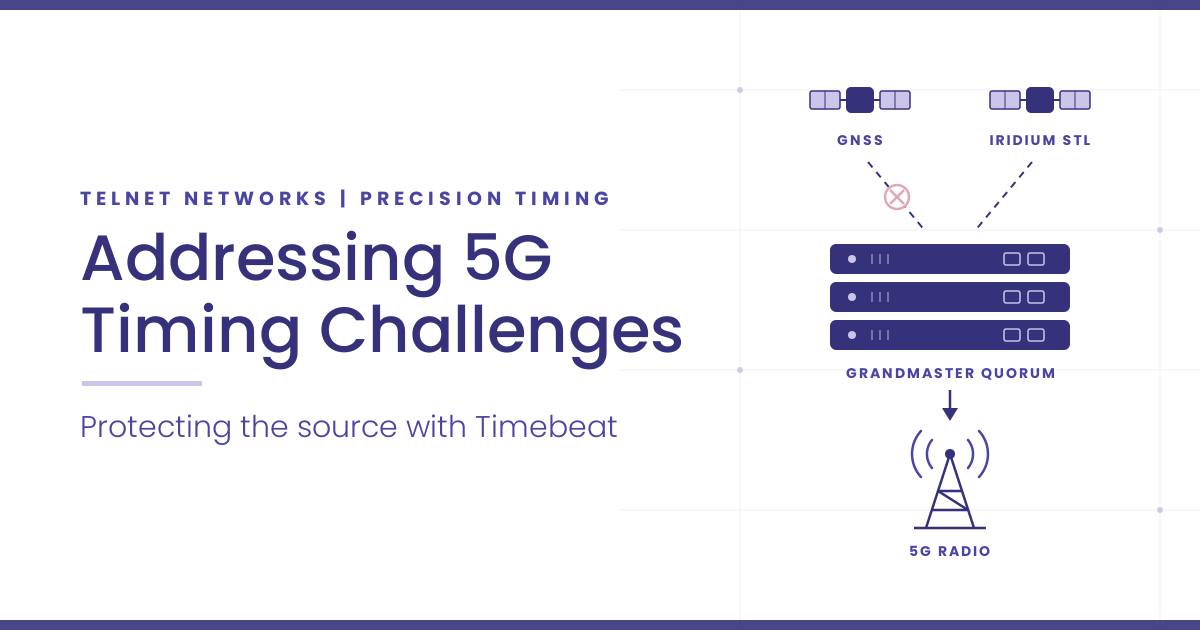
The GPS system synchronizes to 24 satellites each with three or four on-board atomic clocks. The US Naval Observatory monitors the satellites clocks and sends control signals to minimize the differences between their atomic clocks and a master atomic clock for accuracy and traceable to national and international standards (known as UTC). For time synchronizing a clock, the GPS signal is received and distributed by a master clock, time server, or primary reference source to a device, system, or network so the local clocks are synchronized to UTC. Typical accuracies range from better than 500 nanoseconds to 1 millisecond anywhere on earth. The GPS clock synchronization eliminates the need for manual clock setting (an error-prone process). The benefits of GPS synchronization are numerous and include: legally validated time stamps, regulatory compliance, secure networking, and operational efficiency. At the same time you can synchronize all your devices such as
Computer clocks (servers and workstations)
- Network devices (routers, switches, firewalls)
- Telecommunications networks (PBXs, MUXs, SONET networks, wireless systems)
- Critical devices and networks (9-1-1 centers, command and control operations, military test ranges, radar systems, time displays)
- Physical security systems (video, building access controls, networks)
- IT security systems (cryptography, authentication, encryption)
- Facility wall clocks