
Today’s time sensitive networks rely on available and accurate positioning, navigation and timing (PNT) signals to provide leaders with the information required to make timely and effective decisions. The proliferation of GNSS-degrading and denying devices across state and non-state actors put this critical information capability in jeopardy. Learn how a combination of alternative PNT signals with traditional GNSS references makes PNT applications resilient against jamming and spoofing.
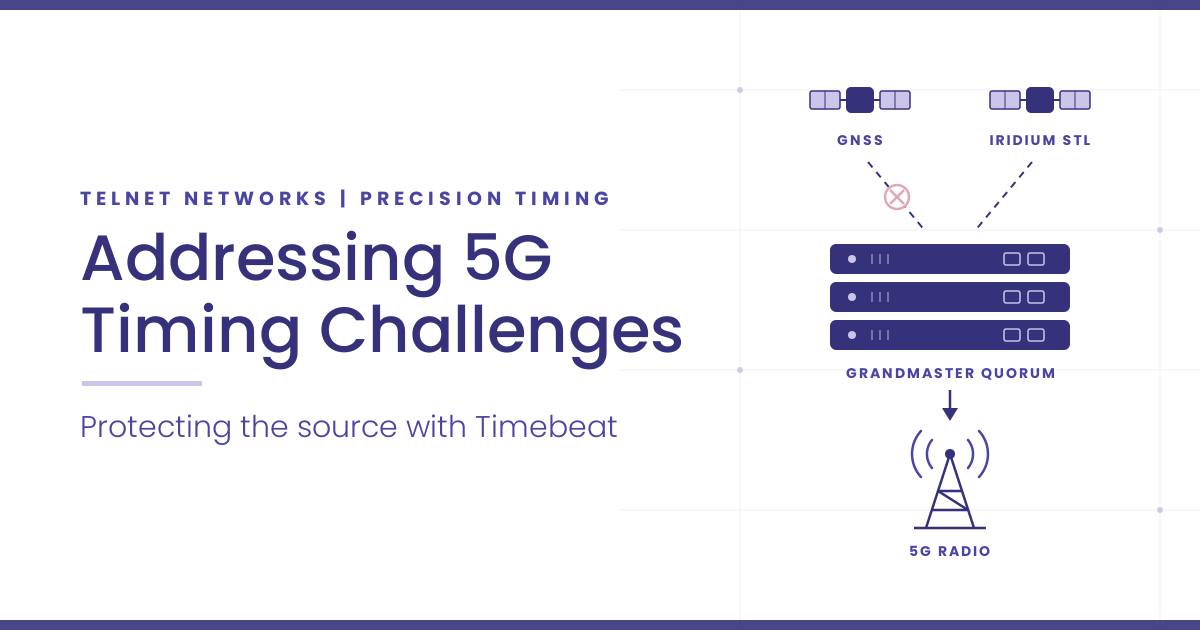
Addressing 5G Timing Challenges with Timebeat: What Canadian Carriers Can Fix at the Source
Most 5G timing challenges trace back to one rule. Canada’s mid-band 5G, in the 3500 MHz and 3800 MHz bands,…
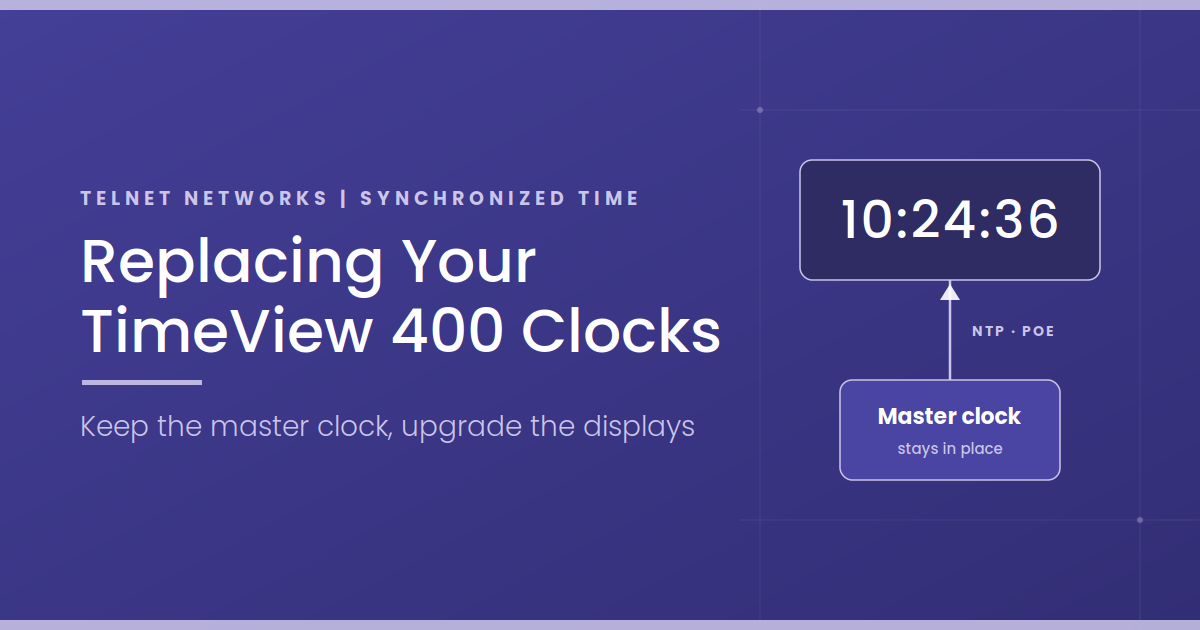
Replacing Your Spectracom TimeView 400 Clocks: Options, Differences and How to Plan the Switch
Most people start looking into a Spectracom TimeView 400 replacement for one of three reasons: a clock has gone dark,…
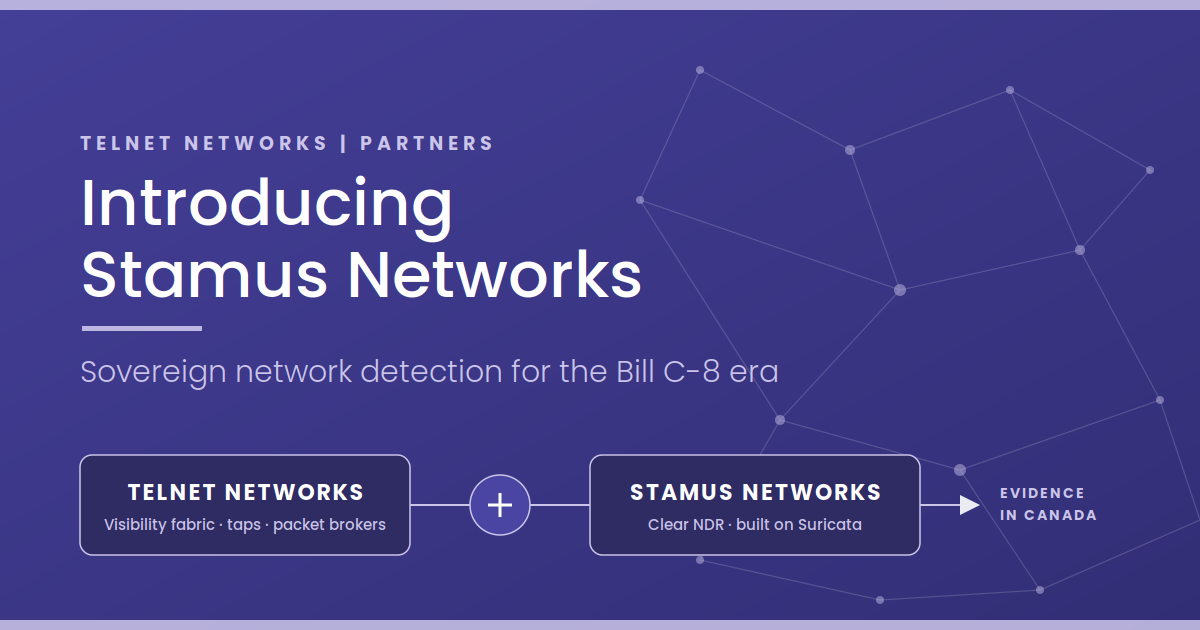
Introducing Stamus Networks: Network Security Built For The Bill C-8 Era
The ground shifted in June Bill C-8 received Royal Assent in June. For designated operators in telecommunications, energy, finance, nuclear…

From Vienna to CERN: The European Innovation Behind Modern Network and Timing Infrastructure
Sub-nanosecond timing over Ethernet was not born in a product roadmap. It came out of CERN, where physicists needed the…
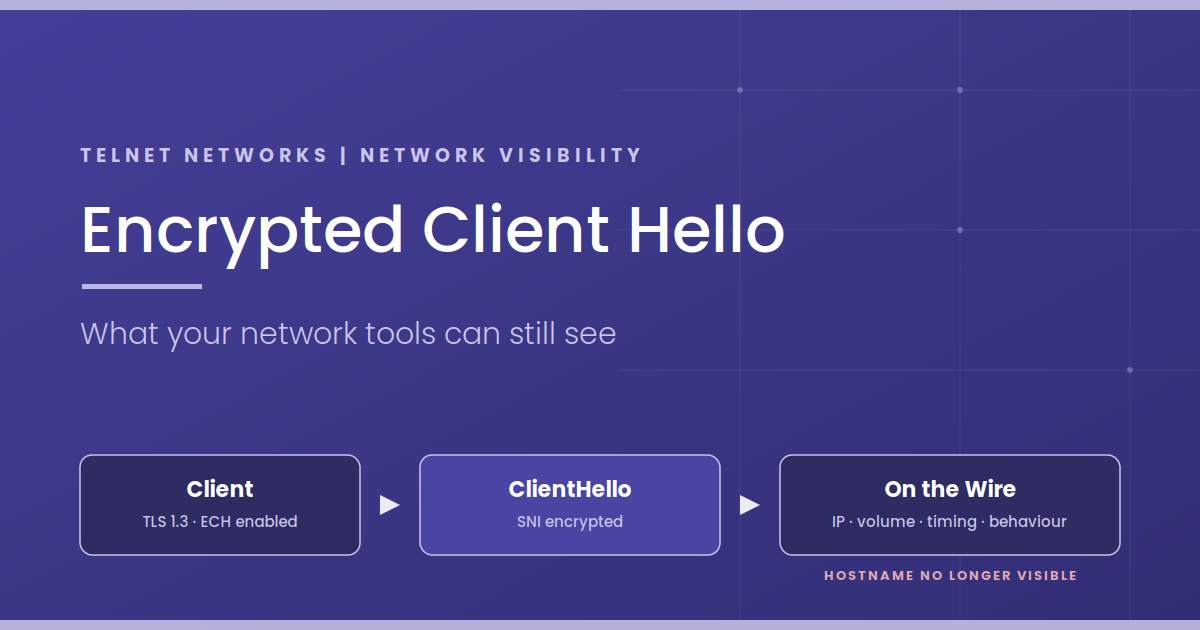
Encrypted Client Hello Is Here. What Can Your Network Tools Still See?
In March 2026 the IETF published RFC 9849, standardizing TLS Encrypted Client Hello. In plain terms, the part of the…