
More mobile devices are now connecting to more data from more sources. IT challenges are complicated by increasingly high customer expectations for always-on access and immediate application response. This complexity creates network “blind spots” where latent errors germinate, and pre-attack activity lurks. Stressed-out monitoring systems make it hard, if not impossible, to keep up with traffic and filter data “noise” at a rate that they were not designed to handle. Network blind spots have become a costly and risk-filled challenge for network operators.
The answer to these challenges is a highly scalable visibility architecture that enables the elimination of your current blind spots, while providing resilience and control without added complexity.
Building blocks that make up an effective visibility Architecture.
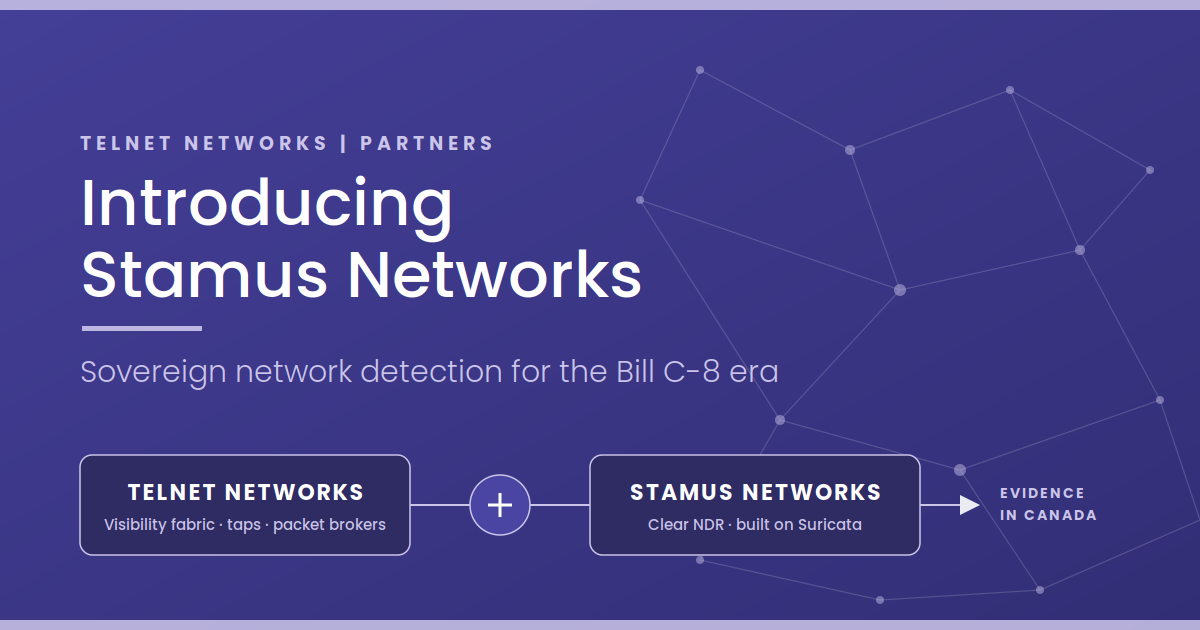
- Network Taps: These are the access devices that replicate network data and send it off to the monitoring infrastructure. While SPAN ports are often used for this as well, and are useful in many situations, here is a great article that walks through some differences between these access technologies.
- Network Packet Brokers: Gathers the data from the network access points above and performs advanced filtering, deduplication, and aggregation of traffic to prep it for network tools
- Network Monitoring Tools: Monitoring tools take the network traffic from the packet broker and provide analysis on network health, trends, and other types of insight to network operators.
These three components will remove blind spots and keep your applications running and your network secure.