Skip to content

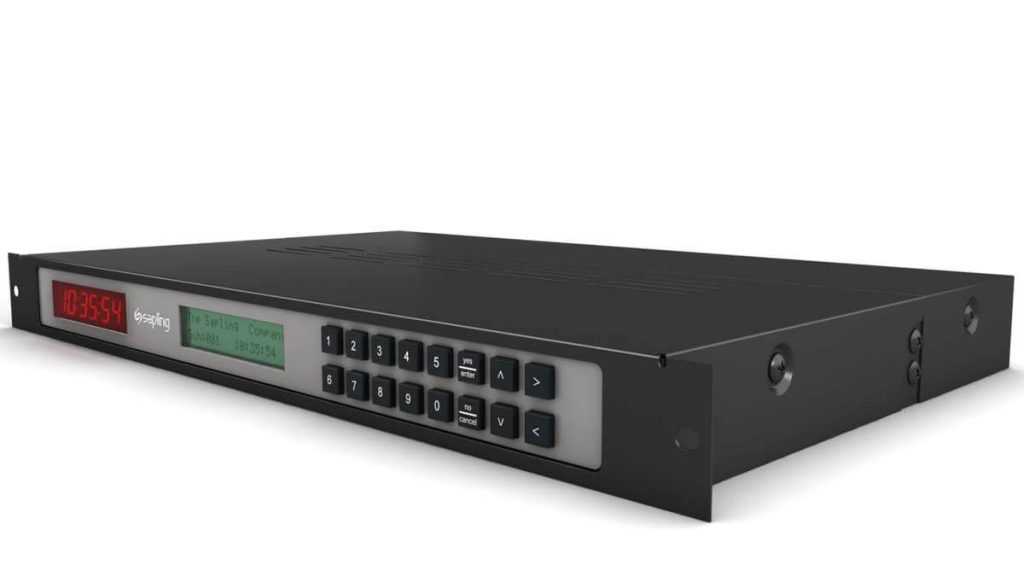
In continuing with our post explaining how Sapling’s master clocks can receive time, the second option a user has to receive time is through a GPS Receiver.

Receiving time from a GPS satellite is not only extremely accurate, it is also very secure. With the GPS Receiver, the facility does not have to go outside the facility’s established firewall and use a time source via the Internet.

A GPS receiver is built-in to the master clock and sends out the master clock’s exact location to satellites around the world. From the satellite, the master clock receives the accurate UTC (Coordinated Universal Time), then corrects to the local time based on the user’s location.

The GPS Receiver option can be used in conjunction with the NTP Server option, which you can learn about here. A user has the ability to choose which option will be the main time source and which will be the backup time source. By utilizing both options, a user will have redundancy within their system, ensuring accuracy. Receiving time via GPS is optional with a Sapling’s master clock.

Stay tuned next week for the third way Sapling’s master clocks can receive time! If you are interested in learning more about our master clocks in the meantime, visit our website for more info or check out our YouTube video explaining our master clocks more in depth.

Thanks to Sapling for the article.
Related Posts

In an OT Network, Something New Is the Alert

In an OT Network, Something New Is the Alert

OT network change detection sounds like a compliance checkbox. In practice, it is one of the most precise detection methods…
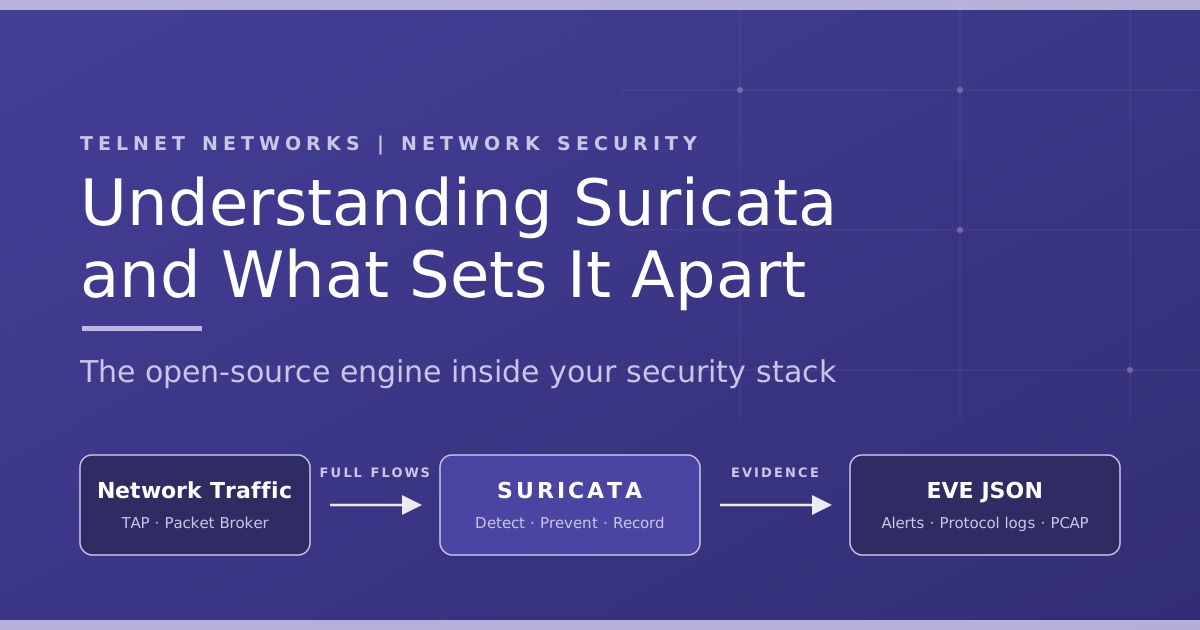
Understanding Suricata: The Open-Source Engine Inside Your Security Stack

Understanding Suricata: The Open-Source Engine Inside Your Security Stack

There is a good chance Suricata already runs somewhere in your network, even if nobody on your team has ever…
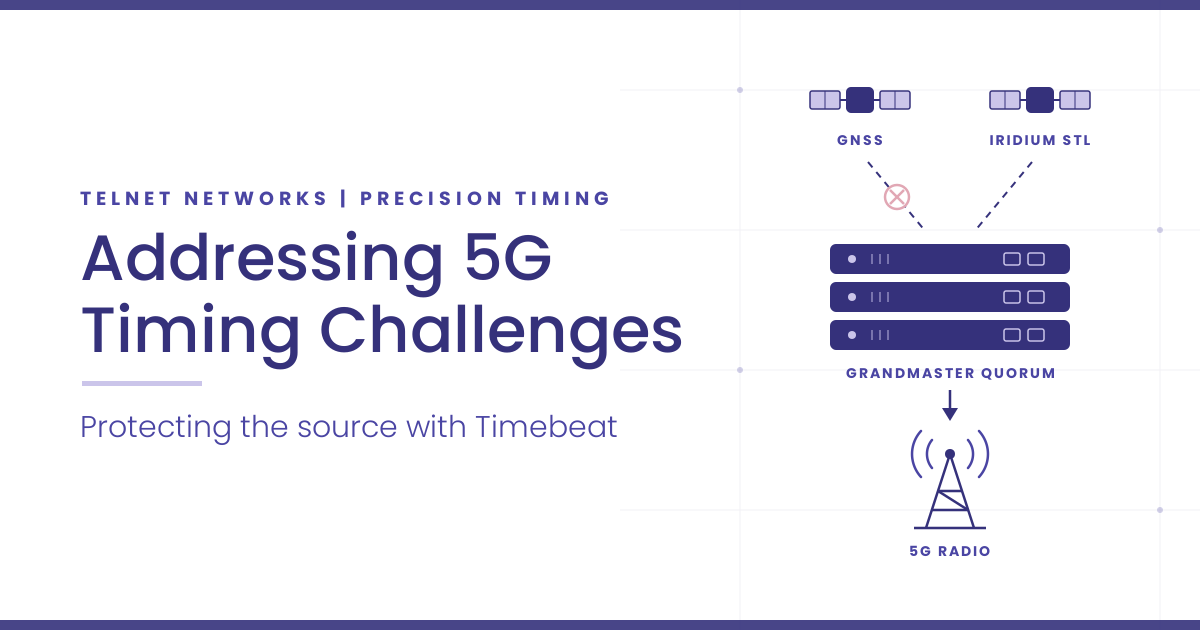
Addressing 5G Timing Challenges with Timebeat: What Canadian Carriers Can Fix at the Source

Addressing 5G Timing Challenges with Timebeat: What Canadian Carriers Can Fix at the Source

Most 5G timing challenges trace back to one rule. Canada’s mid-band 5G, in the 3500 MHz and 3800 MHz bands,…
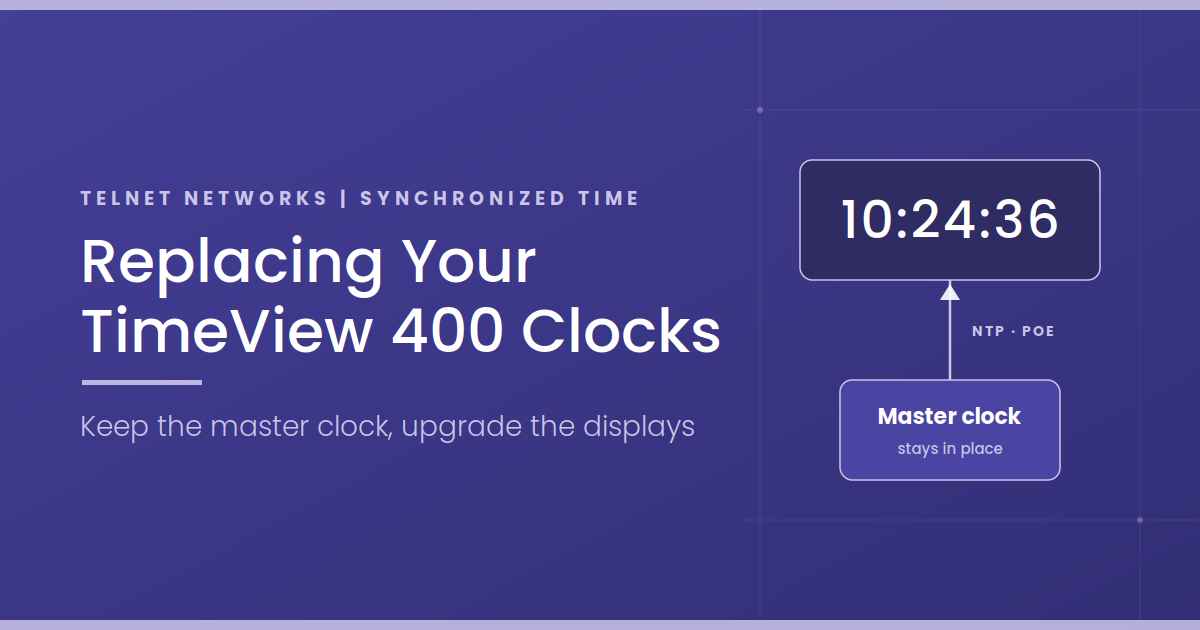
Replacing Your Spectracom TimeView 400 Clocks: Options, Differences and How to Plan the Switch

Replacing Your Spectracom TimeView 400 Clocks: Options, Differences and How to Plan the Switch

Most people start looking into a Spectracom TimeView 400 replacement for one of three reasons: a clock has gone dark,…
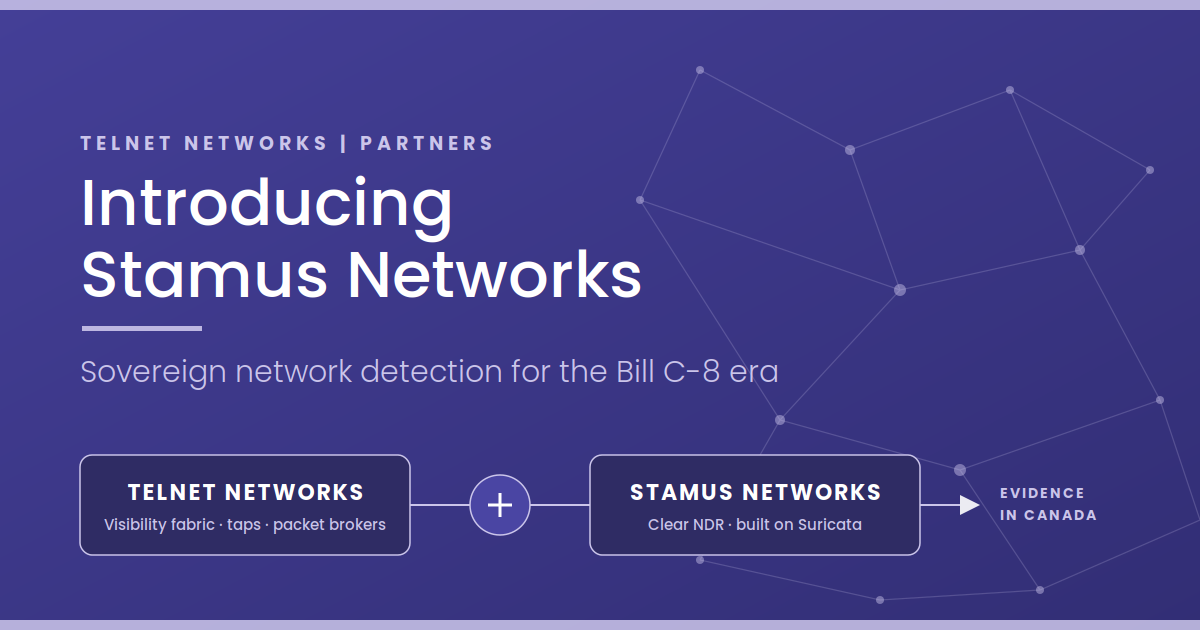
Introducing Stamus Networks: Network Security Built For The Bill C-8 Era

Introducing Stamus Networks: Network Security Built For The Bill C-8 Era

The ground shifted in June Bill C-8 received Royal Assent in June. For designated operators in telecommunications, energy, finance, nuclear…