Skip to content

When it comes to IT services, business value and user satisfaction are both dependent upon the server, network, and applications all working together seamlessly.

Failure to adequately monitor each of these and their interactions, means that you could be flying blind – susceptible to degraded service levels.

While application and network monitoring receive a lot of the attention, it is important to also understand what’s going on with the server.

Virtualization changes the face of service delivery

The environment in which modern services run is complex. Superficially, it appears as though we’ve traveled back to the 1960s, with data centers again appearing like big monolithic constructs (whether cloud or internally hosted) with highly-virtualized server farms connecting through large core networks.

The emergence of virtualized clients (with most computing done remotely) takes the analogy a step further and makes it feel as if we are on the set of “Mad Men” with the old dumb terminals connected to the mainframe.

But that may be where the analogy ends. Today’s IT service delivery is almost never performed in a homogeneous vendor setting—from a hardware or software perspective. Likewise, the diversity of complex multi-tier applications and methods by which they are accessed continues to proliferate.

To learn more, download the white paper.

Avoid the VM Blackout: A Guide to Effective Server Monitoring

Thanks to Network Instruments for the article.
Related Posts

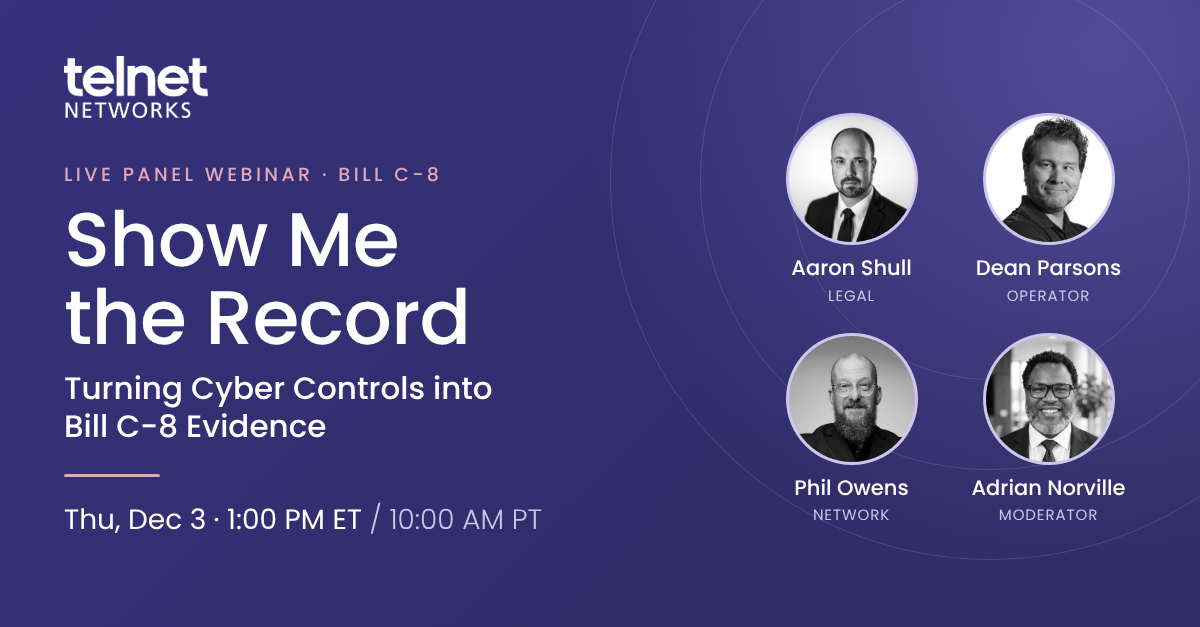
Upcoming Webinar: Show Me the Record: Turning Cyber Controls into Bill C-8 Evidence

Upcoming Webinar: Show Me the Record: Turning Cyber Controls into Bill C-8 Evidence

Bill C-8 (which enacts the Critical Cyber Systems Protection Act) became law in June 2026, shifting Canadian critical infrastructure from…
SecureSync PHP2Shell vulnerability: what to do now

SecureSync PHP2Shell vulnerability: what to do now

Safran has confirmed that the SecureSync PHP2Shell vulnerability affects the SecureSync 1200 and 2400, VersaSync, NetClock 9400 series and White…
In an OT Network, Something New Is the Alert

In an OT Network, Something New Is the Alert

OT network change detection sounds like a compliance checkbox. In practice, it is one of the most precise detection methods…
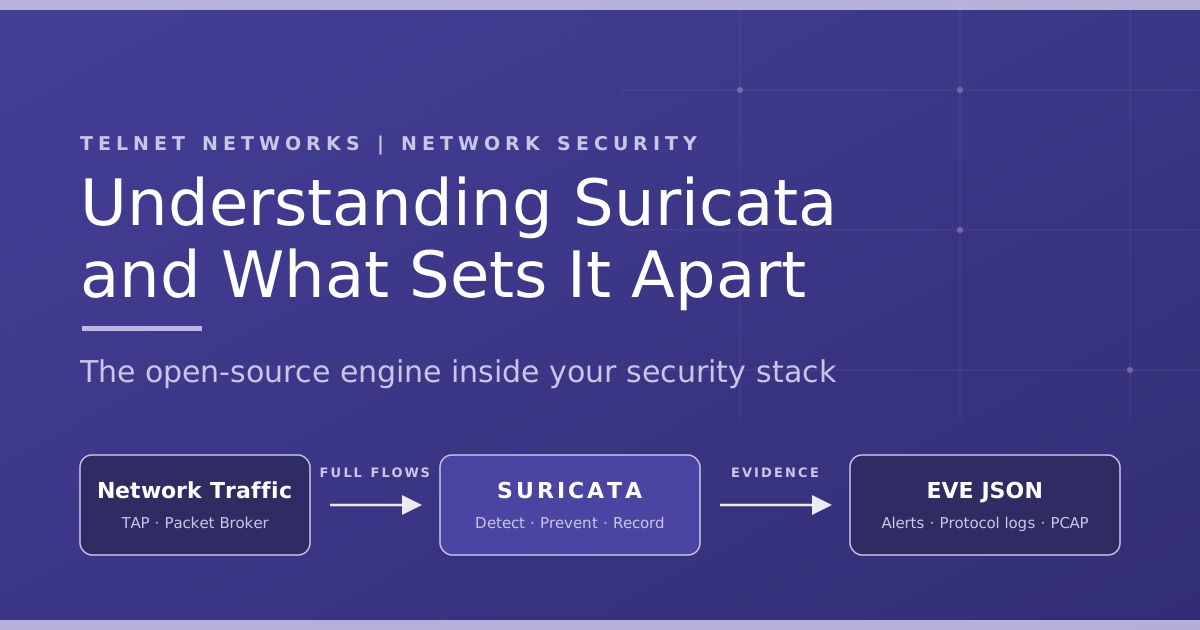
Understanding Suricata: The Open-Source Engine Inside Your Security Stack

Understanding Suricata: The Open-Source Engine Inside Your Security Stack

There is a good chance Suricata already runs somewhere in your network, even if nobody on your team has ever…
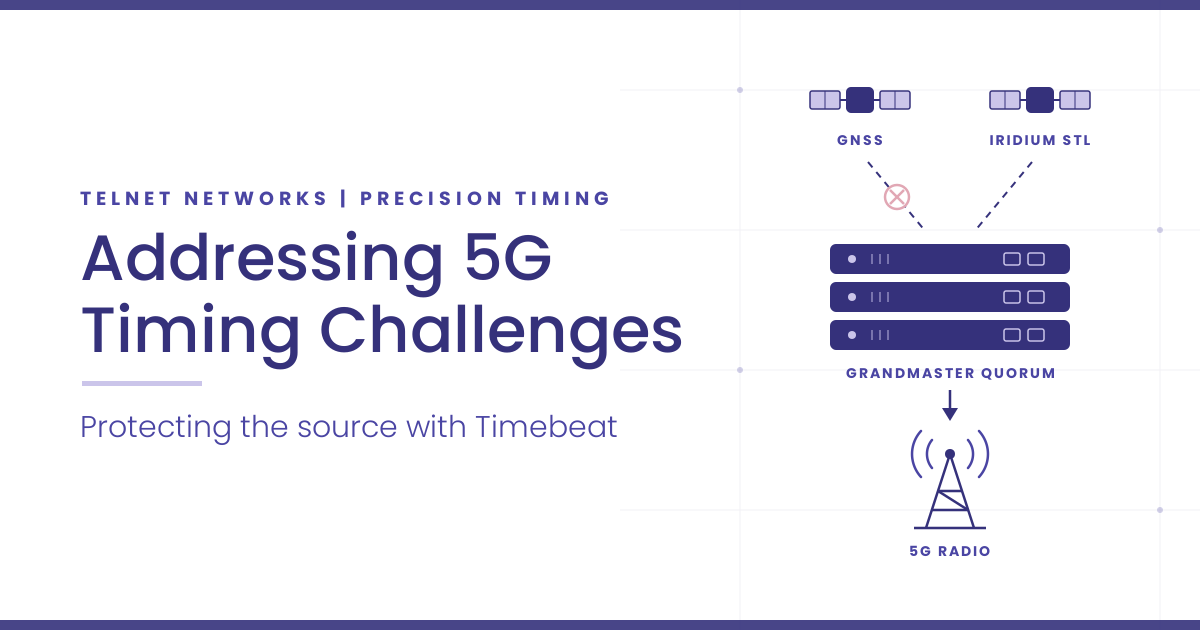
Addressing 5G Timing Challenges with Timebeat: What Canadian Carriers Can Fix at the Source

Addressing 5G Timing Challenges with Timebeat: What Canadian Carriers Can Fix at the Source

Most 5G timing challenges trace back to one rule. Canada’s mid-band 5G, in the 3500 MHz and 3800 MHz bands,…