
Skip to content

A delicate balancing act is taking place on networks globally. It is the balance between applying strong protective measures to keep data safe and unintentionally concealing new IT security vulnerabilities. And it all centers on SSL (Secure Socket Layer) encryption. Just as SSL encryption protects certain details of a transaction, it can also conceal and protect malicious cyberthreats. This means it is essential for organizations to decrypt and inspect SSL traffic, to be sure it is not being used to propagate malware.

This paper describes the current state of SSL traffic inspection and how organizations can gain full visibility into what is happening in their networks and mission-critical applications.

What You’ll Learn:

  • ​What is SSL encryption, and why should organizations take it more seriously?
  • Why is network visibility so essential is this context?
  • What are the most tangible threats, and threat indicators?
  • What performance problems exist for firewalls, antivirus, antibot and application monitoring tools?

Download the White Paper from Ixia on Inspecting SSL Traffic below to learn more

 Thanks to Ixia for this article
Related Posts

SecureSync PHP2Shell vulnerability: what to do now

SecureSync PHP2Shell vulnerability: what to do now

Safran has confirmed that the SecureSync PHP2Shell vulnerability affects the SecureSync 1200 and 2400, VersaSync, NetClock 9400 series and White…
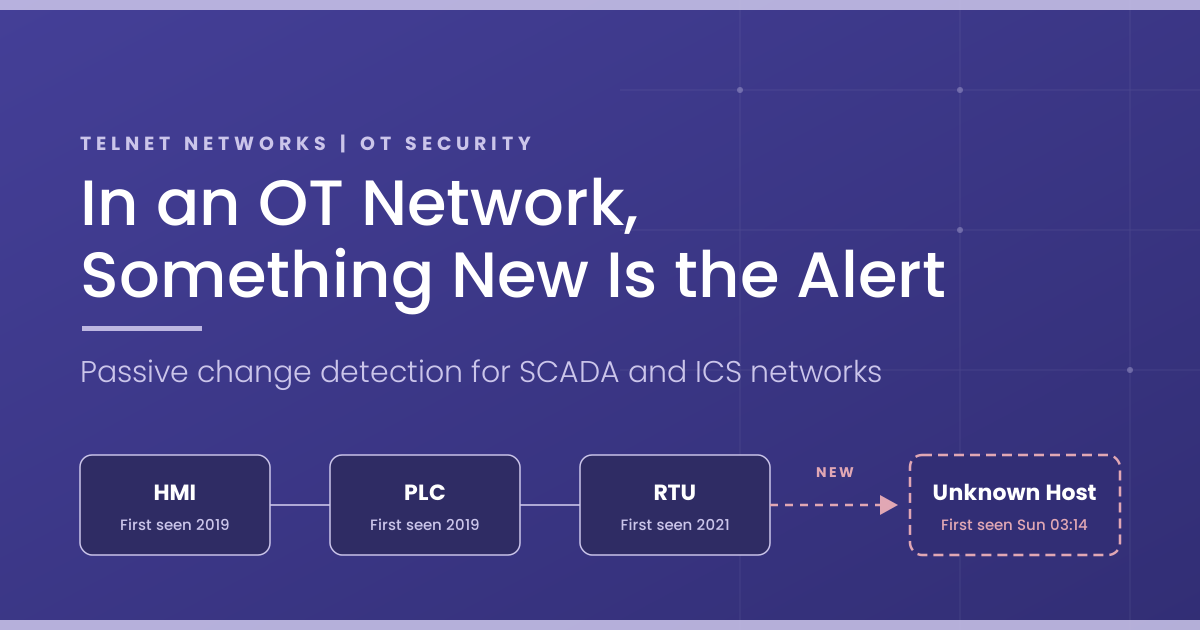
In an OT Network, Something New Is the Alert

In an OT Network, Something New Is the Alert

OT network change detection sounds like a compliance checkbox. In practice, it is one of the most precise detection methods…
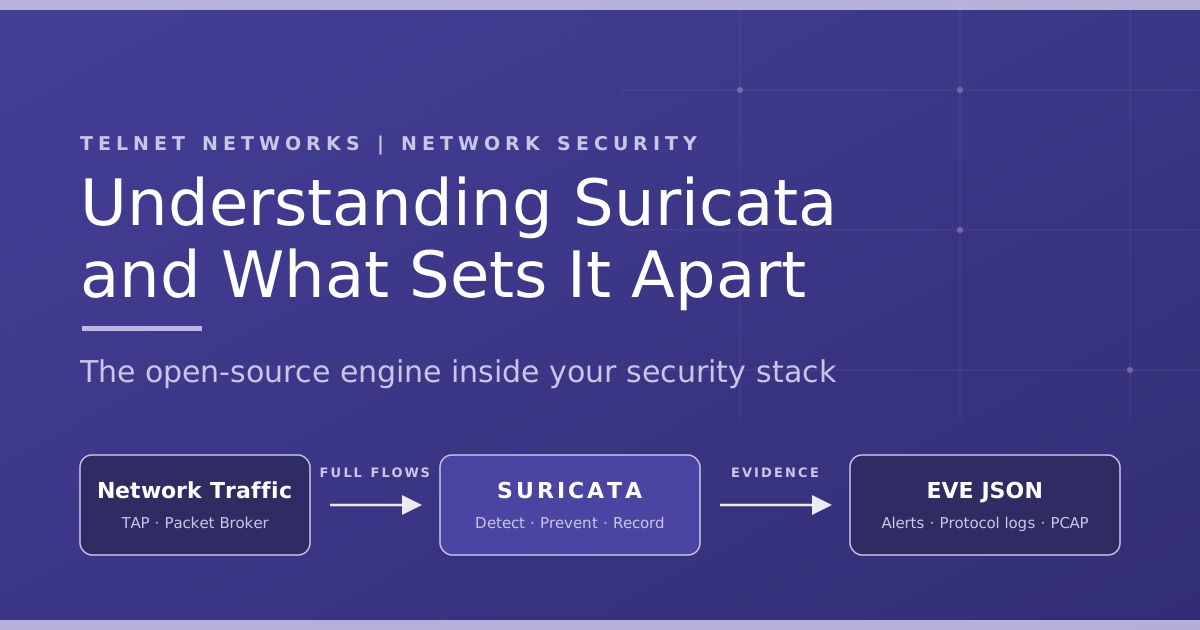
Understanding Suricata: The Open-Source Engine Inside Your Security Stack

Understanding Suricata: The Open-Source Engine Inside Your Security Stack

There is a good chance Suricata already runs somewhere in your network, even if nobody on your team has ever…
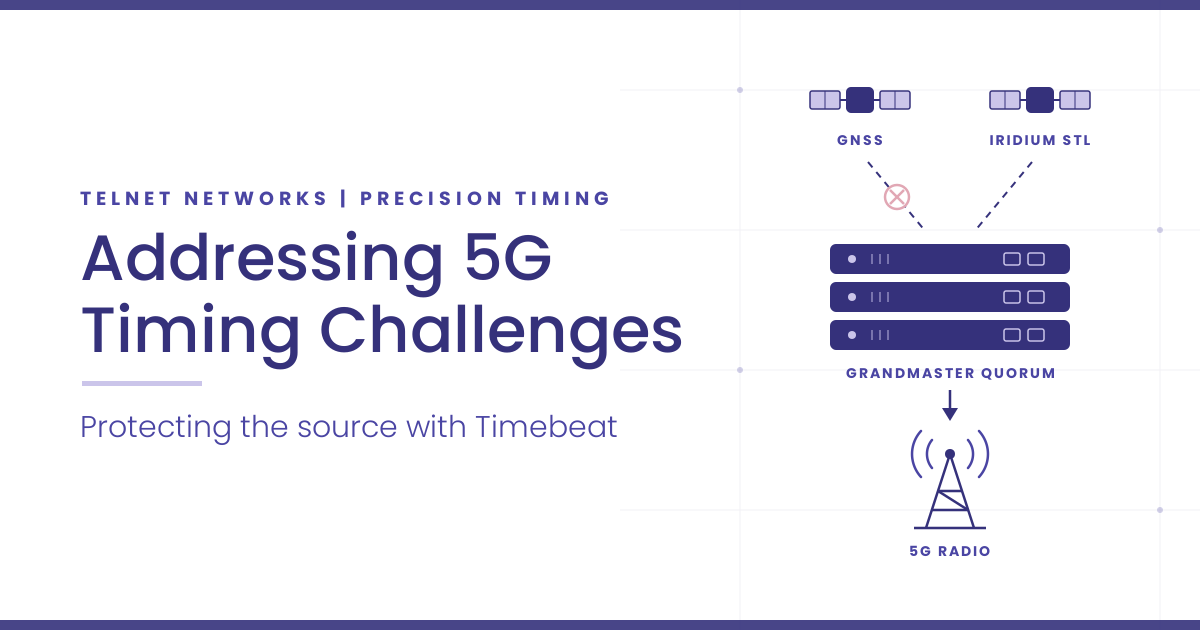
Addressing 5G Timing Challenges with Timebeat: What Canadian Carriers Can Fix at the Source

Addressing 5G Timing Challenges with Timebeat: What Canadian Carriers Can Fix at the Source

Most 5G timing challenges trace back to one rule. Canada’s mid-band 5G, in the 3500 MHz and 3800 MHz bands,…
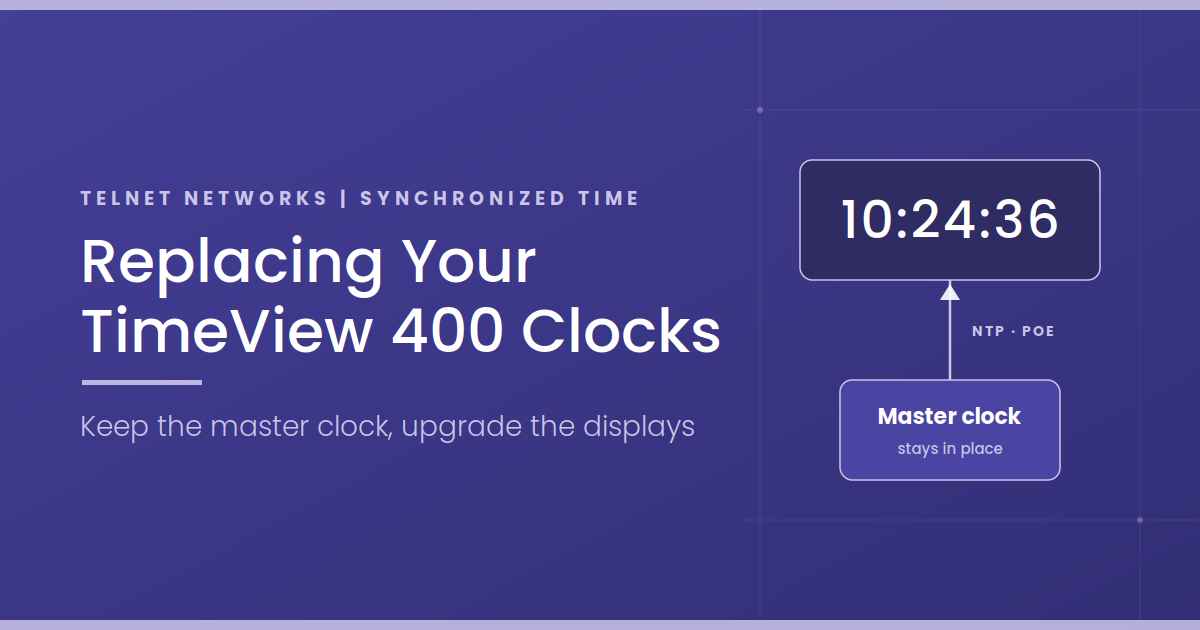
Replacing Your Spectracom TimeView 400 Clocks: Options, Differences and How to Plan the Switch

Replacing Your Spectracom TimeView 400 Clocks: Options, Differences and How to Plan the Switch

Most people start looking into a Spectracom TimeView 400 replacement for one of three reasons: a clock has gone dark,…