
Skip to content

Cybersecurity is the watchword of the day, but what does it mean for Positioning, Navigation and Timing (PNT)? For many, the ability to hack or spoof a GPS/GNSS signal is a cybersecurity issue. At Orolia, we agree, which is why we have a wide array of products to augment, toughen and protect against GNSS vulnerabilities.

However, the other aspect is network connectivity. Any device that is on a network – which includes many PNT devices – must address cybersecurity.


This Orolia Tech Brief explores the basic steps for maintaining security using a network-connected time server and looks at different ways to achieve resiliency in PNT. As an example, we will start with our SecureSync® Time Server product line to demonstrate how to maintain security with this network-connected device.

Thank you to John Fischer from Orolia for the article. 
Related Posts

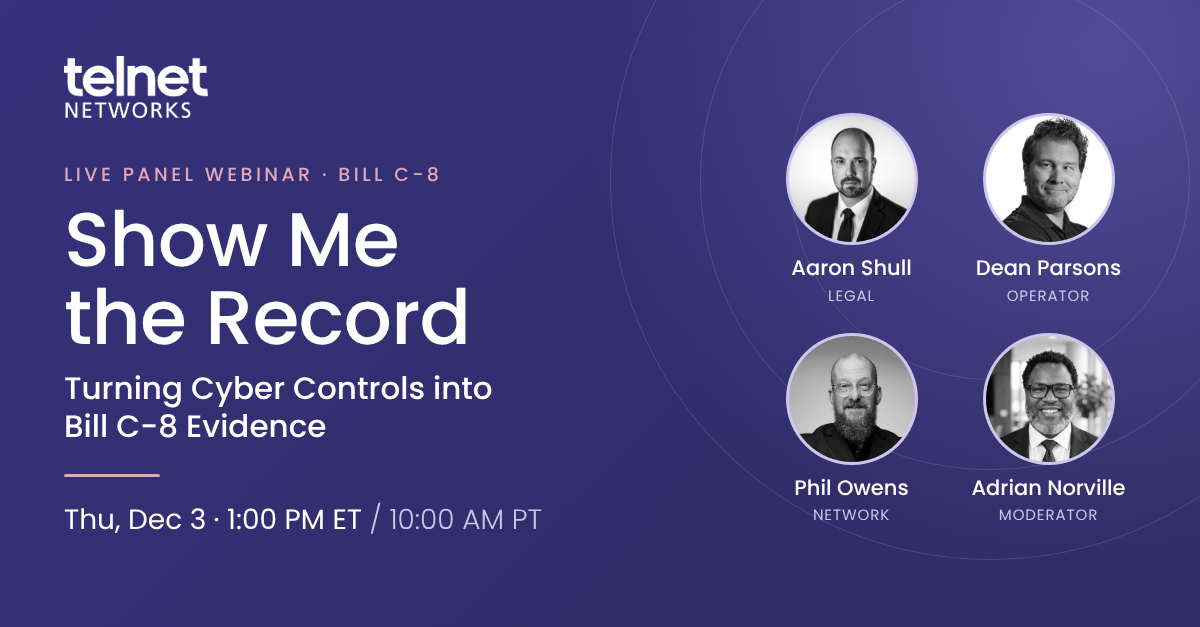
Upcoming Webinar: Show Me the Record: Turning Cyber Controls into Bill C-8 Evidence

Upcoming Webinar: Show Me the Record: Turning Cyber Controls into Bill C-8 Evidence

Bill C-8 (which enacts the Critical Cyber Systems Protection Act) became law in June 2026, shifting Canadian critical infrastructure from…
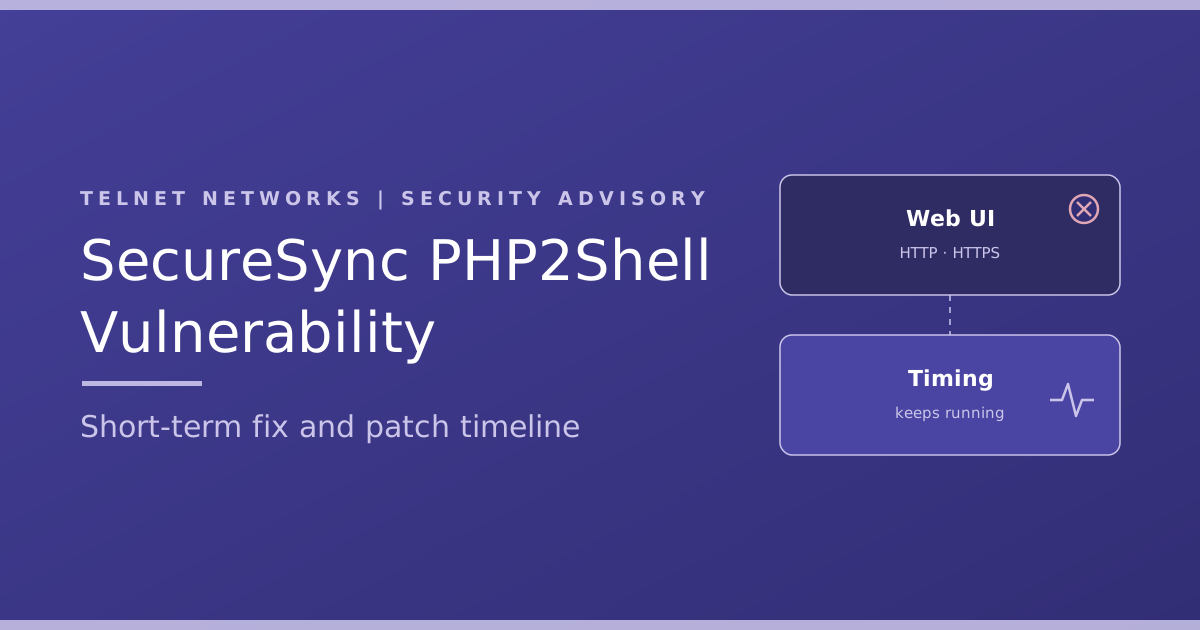
SecureSync PHP2Shell vulnerability: what to do now

SecureSync PHP2Shell vulnerability: what to do now

Safran has confirmed that the SecureSync PHP2Shell vulnerability affects the SecureSync 1200 and 2400, VersaSync, NetClock 9400 series and White…
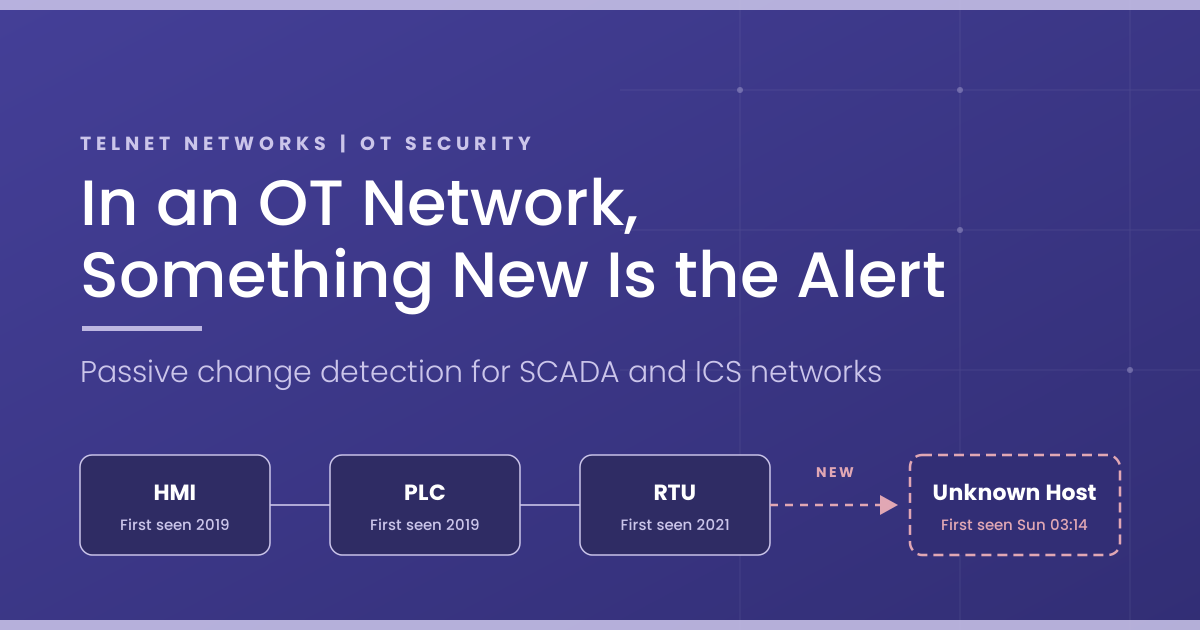
In an OT Network, Something New Is the Alert

In an OT Network, Something New Is the Alert

OT network change detection sounds like a compliance checkbox. In practice, it is one of the most precise detection methods…
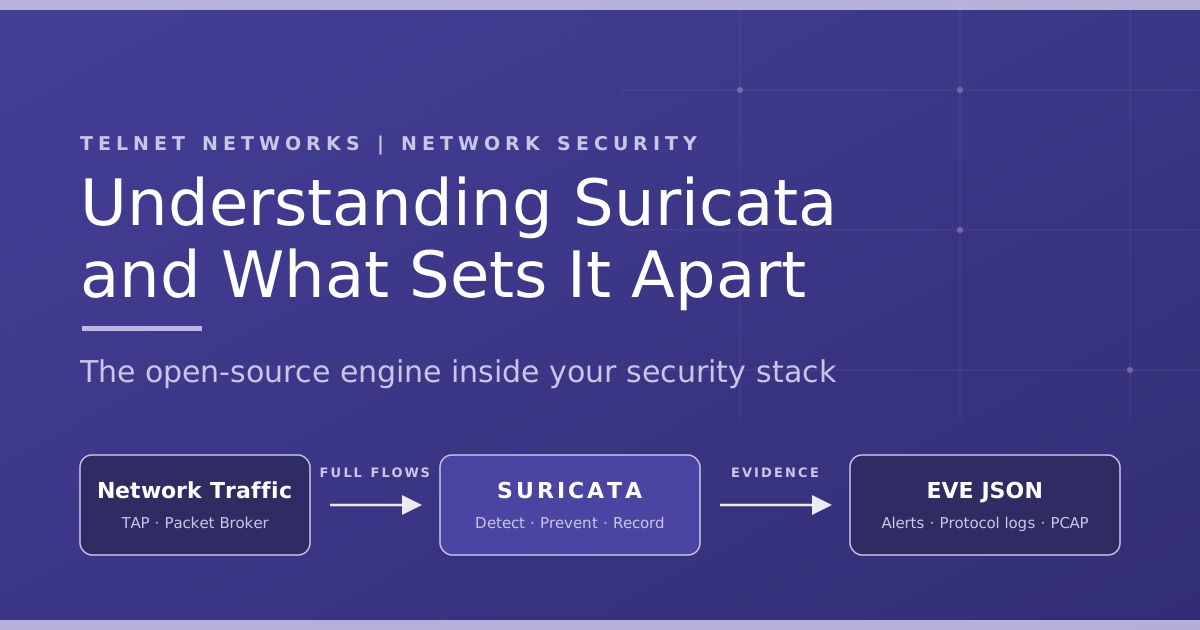
Understanding Suricata: The Open-Source Engine Inside Your Security Stack

Understanding Suricata: The Open-Source Engine Inside Your Security Stack

There is a good chance Suricata already runs somewhere in your network, even if nobody on your team has ever…
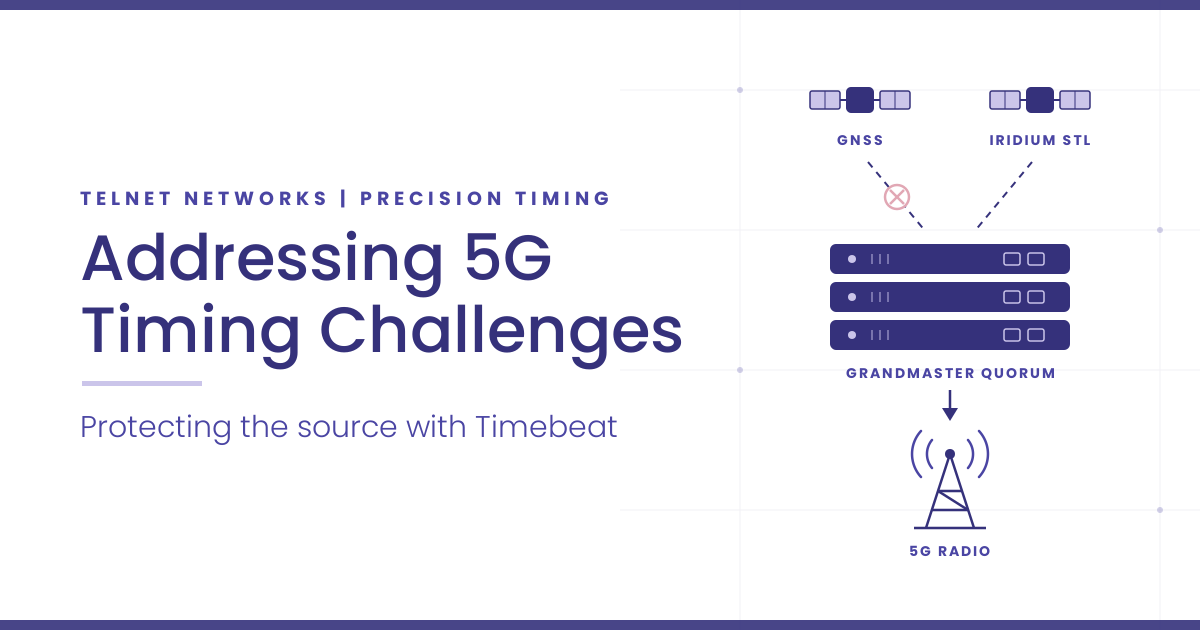
Addressing 5G Timing Challenges with Timebeat: What Canadian Carriers Can Fix at the Source

Addressing 5G Timing Challenges with Timebeat: What Canadian Carriers Can Fix at the Source

Most 5G timing challenges trace back to one rule. Canada’s mid-band 5G, in the 3500 MHz and 3800 MHz bands,…