Skip to content

 Free 60-Minute Webinar

Time-sensitive systems are facing many issues related to the use of GNSS as the sole provider of accurate timing information. In addition to jamming and spoofing threats that are gaining more visibility, GPS also has a week rollover event occurring in April 2019. Due to the 10-bit week number counter used for the GPS week number, the week number count will roll over from 1023 to zero in April 2019. If the receiver does not handle this properly, any number of failures can occur. How can we ensure our systems will handle this event correctly? What other time based GNSS related issues should we be concerned with?To help address this issue and other potential threats, GNSS simulation and vulnerability testing are essential to ensure that your system is highly accurate, reliable and protected from errors and interference. A regularly scheduled, customized simulation and testing program not only detects anomalies, but can help you design and maintain the optimal security levels and protocols required for your specific needs. Customized solutions not only suit your needs better — they’re often more secure than an out-of-the-box approach.

In this webinar, learn more about issues that can impact GNSS-based time-sensitive critical systems, and how to use the latest GNSS simulation and vulnerability testing technologies to test and validate these systems.

 Speakers:

Lisa Perdue, Product Manager, Orolia 

Perdue is a world-leading expert in testing critical GPS and GNSS systems. She has trained hundreds of engineers and technicians who are responsible for high-reliability positioning, navigation and timing (PNT) applications. She took a lead role in the development of the first GNSS Vulnerability Test System and speaks widely on the topic at many industry conferences.

Stefania Römisch, Leader, the Atomic Standards Group at the National Institute of Standards and Technology 

 Römisch leads the Atomic Standards Group at the National Institute of Standards and Technology (NIST) in Boulder, Colorado. Her group’s activities include the generation of UTC(NIST), and the use of GPS and TWSTFT to contribute to Universal Coordinated Time. Her research interests span from time scale generation to the calibration of time transfer links and the development of a secure timing infrastructure.

Dana Goward, President, Resilient Navigation and Timing Foundation 

Goward is president of the Resilient Navigation and Timing Foundation, a 501(c)3 non-profit. The foundation is dedicated to protecting, toughening and augmenting GPS/GNSS signals. He retired from the federal Senior Executive Service as America’s Maritime Navigation Authority in 2013, and is a member of the government’s National Space-Based Positioning, Navigation and Timing Advisory Board.
Related Posts

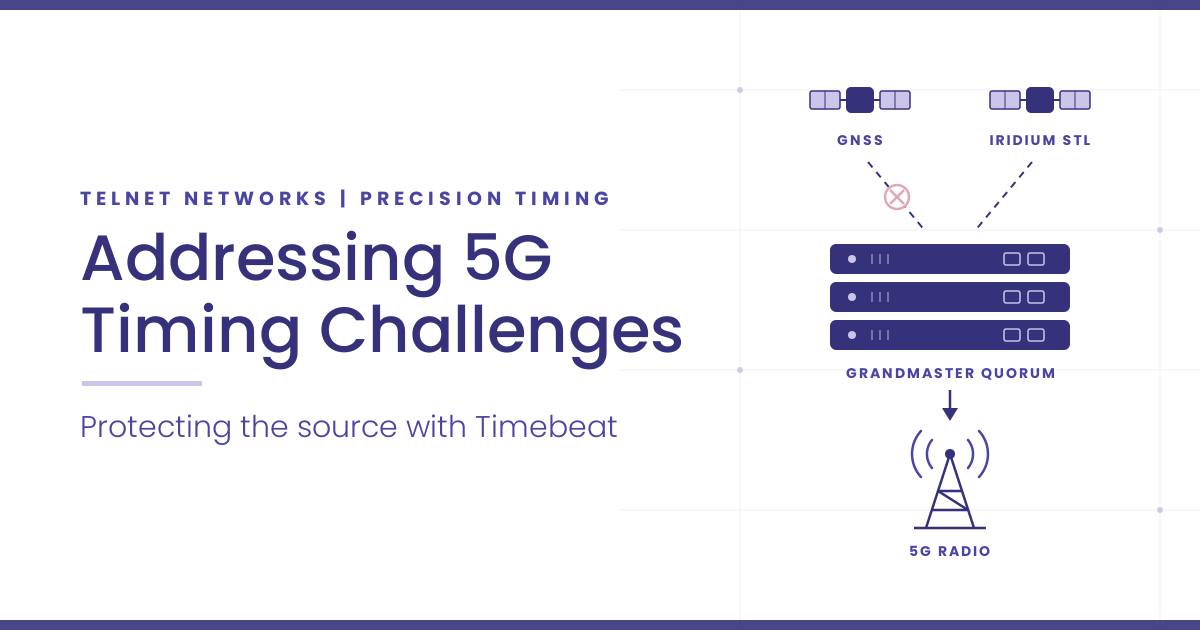
Addressing 5G Timing Challenges with Timebeat: What Canadian Carriers Can Fix at the Source

Addressing 5G Timing Challenges with Timebeat: What Canadian Carriers Can Fix at the Source

Most 5G timing challenges trace back to one rule. Canada’s mid-band 5G, in the 3500 MHz and 3800 MHz bands,…
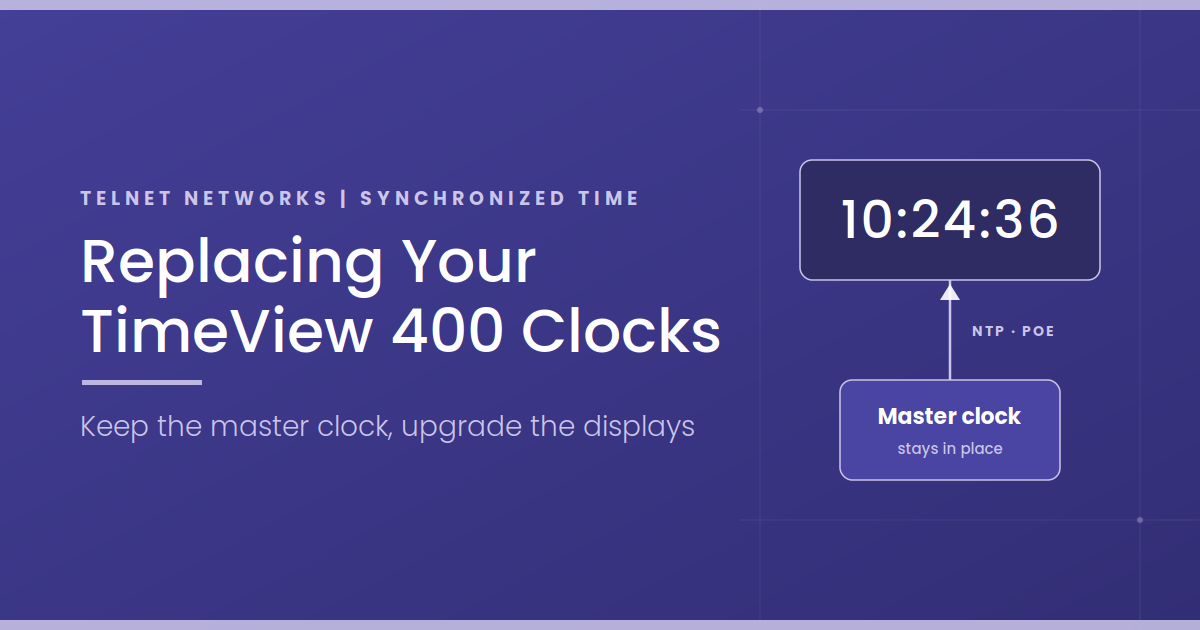
Replacing Your Spectracom TimeView 400 Clocks: Options, Differences and How to Plan the Switch

Replacing Your Spectracom TimeView 400 Clocks: Options, Differences and How to Plan the Switch

Most people start looking into a Spectracom TimeView 400 replacement for one of three reasons: a clock has gone dark,…
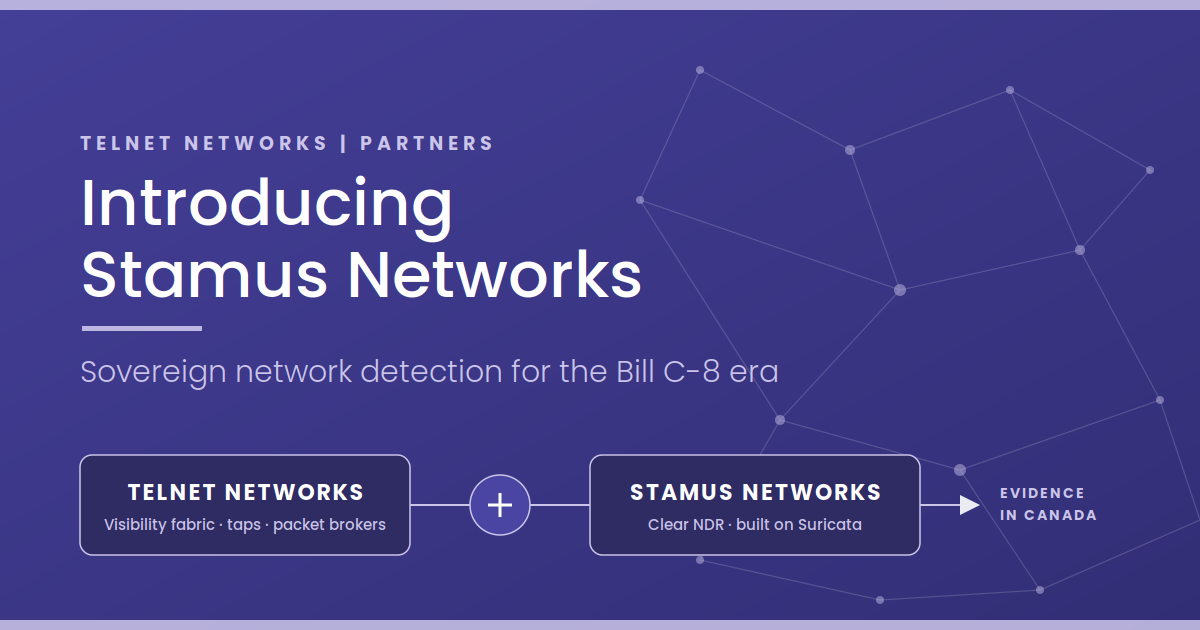
Introducing Stamus Networks: Network Security Built For The Bill C-8 Era

Introducing Stamus Networks: Network Security Built For The Bill C-8 Era

The ground shifted in June Bill C-8 received Royal Assent in June. For designated operators in telecommunications, energy, finance, nuclear…
From Vienna to CERN: The European Innovation Behind Modern Network and Timing Infrastructure

From Vienna to CERN: The European Innovation Behind Modern Network and Timing Infrastructure

Sub-nanosecond timing over Ethernet was not born in a product roadmap. It came out of CERN, where physicists needed the…
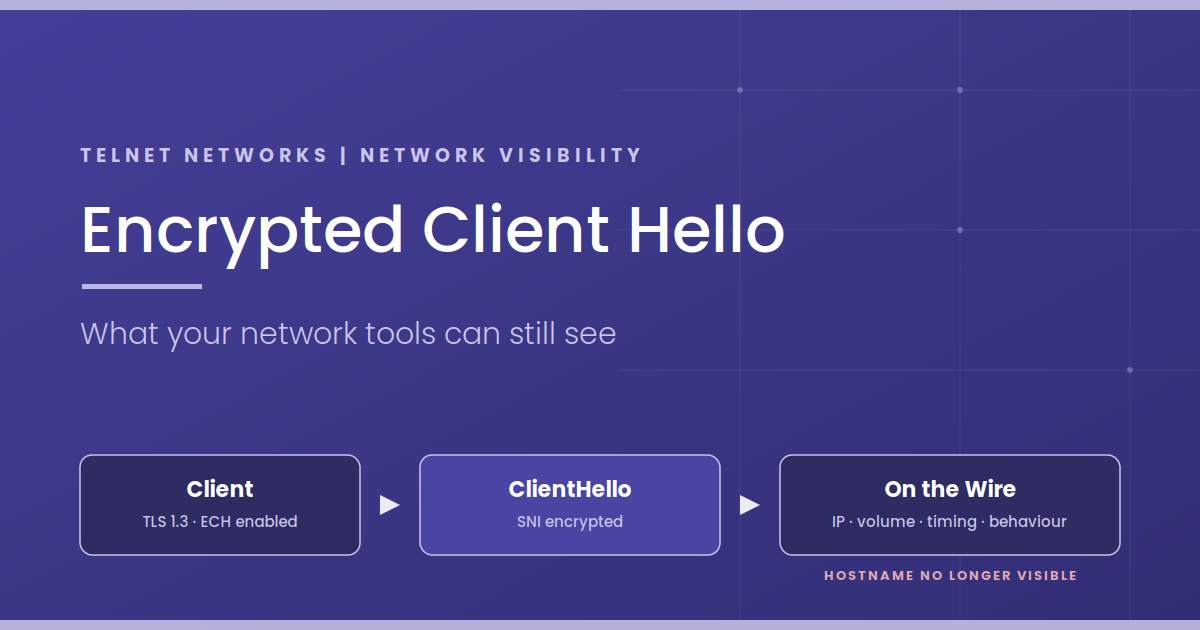
Encrypted Client Hello Is Here. What Can Your Network Tools Still See?

Encrypted Client Hello Is Here. What Can Your Network Tools Still See?

In March 2026 the IETF published RFC 9849, standardizing TLS Encrypted Client Hello. In plain terms, the part of the…