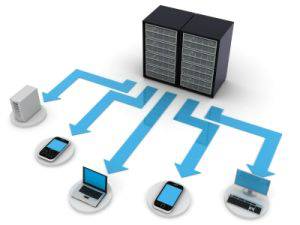
Network discovery is not a single thing. In general terms it is the process of gathering information about the Network resources near you.
You may be asking why is this even important to me? The primary reasons why it is vital for your business to use network discovery is as follows:
- If you don’t know what you have, you cannot hope to monitor and manage it.
- You can’t track down interconnected problems.
- You don’t know when something new comes on the network.
- You don’t know when you need upgrades.
- You may be paying too much for maintenance.
All of these key factors above are vital in maintaining the success of your company’s network resources.
One of the most important aspects which I’ve mentioned is not knowing what you have, this is a huge problem for many companies. If you don’t know what you have how can you manage or monitor it.
Most of the time in network management you’re trying to track down potential issues within your network and how you’re going to resolve these issues. This is a very hard task especially if you’re dealing with a large scale network. If one thing goes down within the network it starts a trickle effect and then more aspects of the network will in return start to go down.
All of these problems are easily fixed. NMSaaS has network discovery capabilities with powerful and flexible tools allowing you to determine what exactly is subject to monitoring.
These elements are automatically labeled and grouped. This makes automatic data collection possible, as well as threshold monitoring and reporting on already discovered elements.
As a result of this we can access critical details like IP address, MAC address, OS, firmware, Services, Memory, Serial Numbers, Interface Information, Routing Information, Neighbor data, these are all available at the click of a button or as a scheduled report.
Thanks to NMSaaS for the article.